Most people don’t think about their wiring until something goes wrong. A breaker trips once, and life goes on. A light flickers, and it gets ignored. But wiring problems rarely stay small. They tend to build up quietly, until one day they cause real damage, or worse, a fire.
This guide covers the clearest warning signs that a building needs electrical rewiring or an upgrade. You’ll also learn which signs are urgent, and which ones simply mean it’s time to plan ahead.
Why Old or Faulty Wiring Is a Bigger Risk Than It Looks
Wiring sits inside walls and ceilings, out of sight. That’s exactly why problems often go unnoticed until they’re serious. A wire that’s slowly overheating won’t announce itself with a warning label. It shows up as a smell, a spark, or in the worst case, a fire.
Older buildings also carry a specific risk. Wiring installed decades ago wasn’t built for today’s load. Modern homes and shops run air conditioners, pumps, inverters, and multiple appliances at once. Wiring sized for a simpler era often can’t keep up.
1. Frequent Tripping Breakers
An occasional trip isn’t a crisis. It usually means one circuit briefly took on too much load. But frequent tripping, especially on the same circuit, points to a deeper issue. It could mean the circuit is overloaded, the wiring is damaged, or the breaker itself is failing.
What to do: Have an electrician check the load on that circuit and inspect the wiring behind it, rather than just resetting the breaker each time.
2. Flickering or Dimming Lights
Lights that flicker when you turn on a kettle or air conditioner are a common sign of a loose connection or an overloaded circuit. On their own, they may seem minor. Over time, loose connections generate heat, and heat is how electrical fires start.
What to do: Ask an electrician to check the connections at the panel and at the light fittings themselves, not just the bulbs.
3. Burning Smells or Warm Outlets
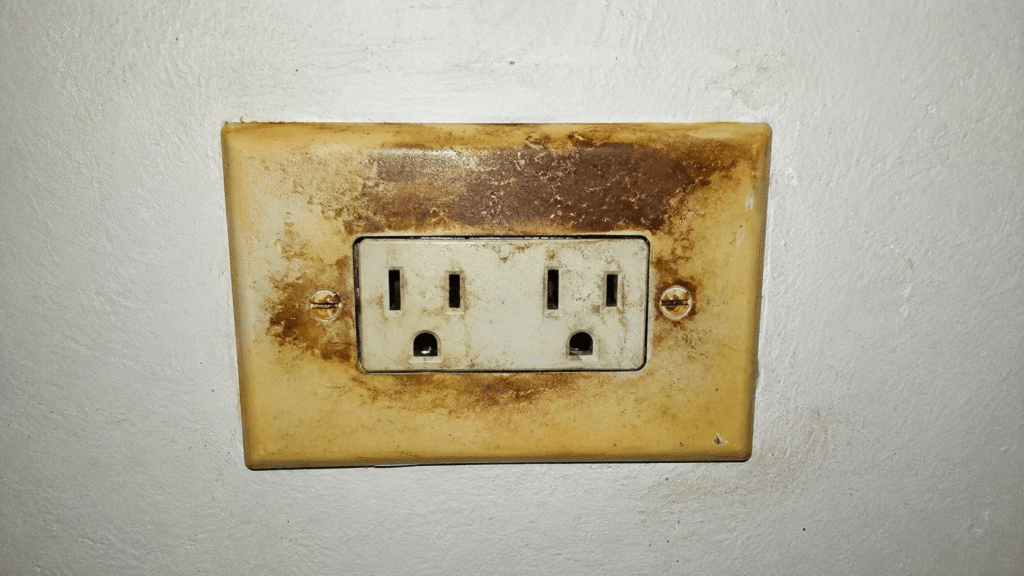
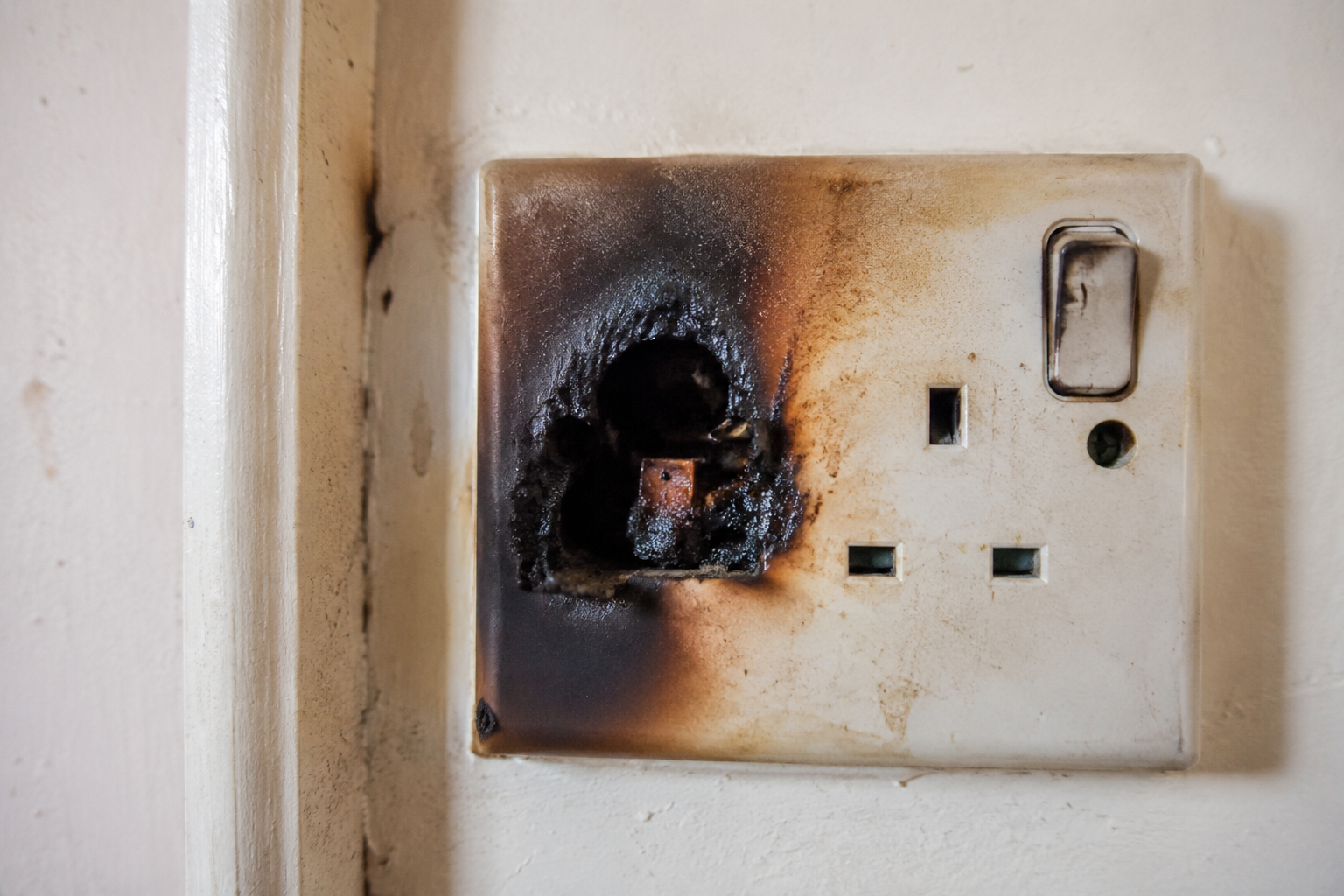
This is one of the most urgent signs on this list. A burning smell near a socket, switch, or panel means something is already overheating. A warm or discolored outlet cover means the same thing. Both point to a real fire risk that needs attention right away, not next month.
What to do: Turn off power to that circuit if it’s safe to do so, and call an electrician immediately. Don’t wait for a second warning sign.
4. Frequent Use of Extension Cords and Adapters
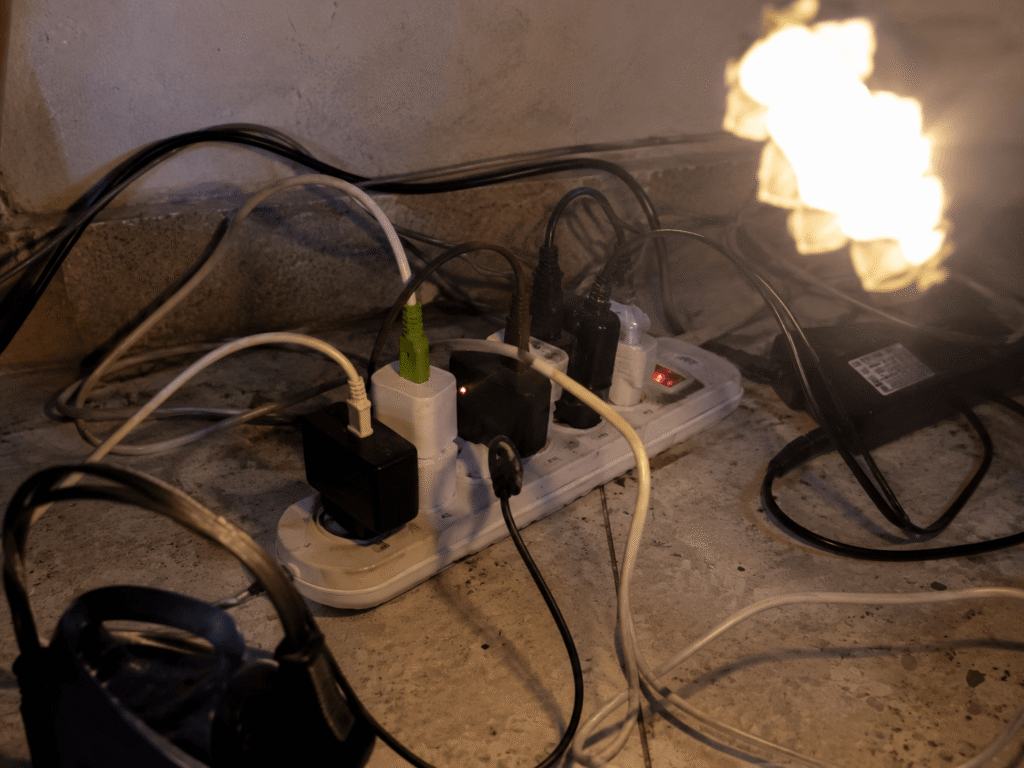
If every room in your home relies on extension cords and multi-plug adapters, that’s a sign your wiring hasn’t kept up with your actual needs. Extension cords are meant for temporary use, not as a permanent stand-in for extra sockets.
What to do: Plan for extra circuits and sockets in the rooms where you need them most, instead of running long-term power through cords rated for short-term use.
5. Buzzing Sounds from Outlets or the Panel
Wiring should be silent. A buzzing or crackling sound from an outlet, switch, or the distribution board usually means a loose connection or arcing, where electricity jumps a small gap instead of flowing cleanly. Arcing generates heat and is a known cause of electrical fires.
What to do: Treat this as urgent. Have the specific outlet or panel inspected as soon as possible.
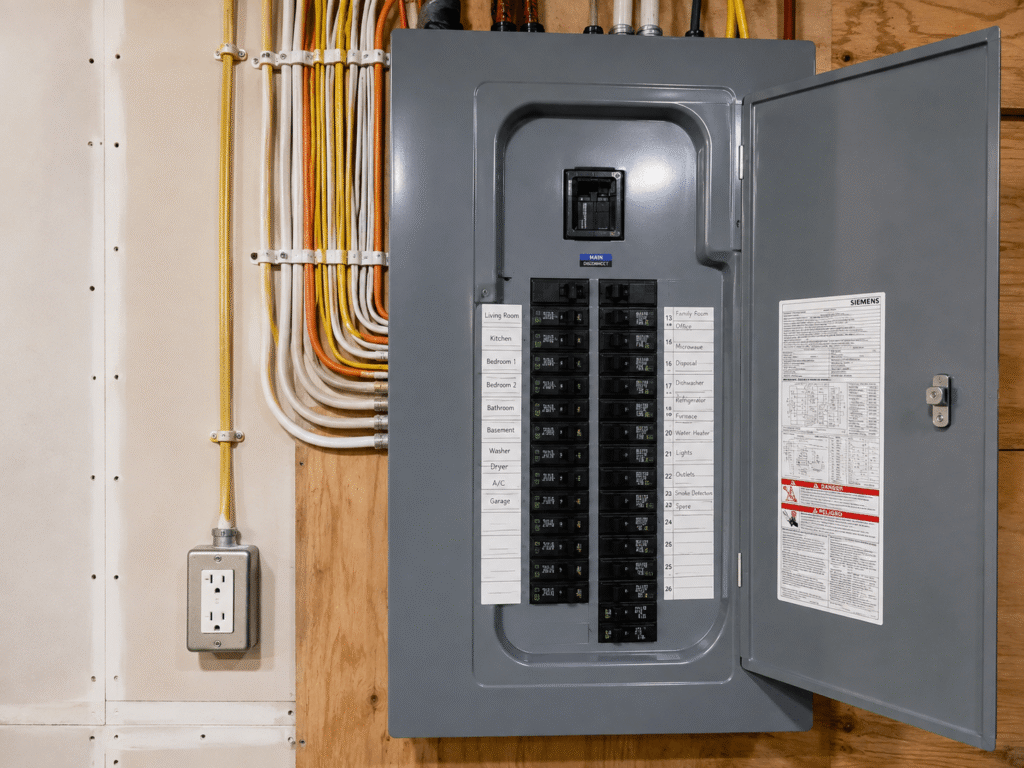
6. An Outdated or Undersized Distribution Board
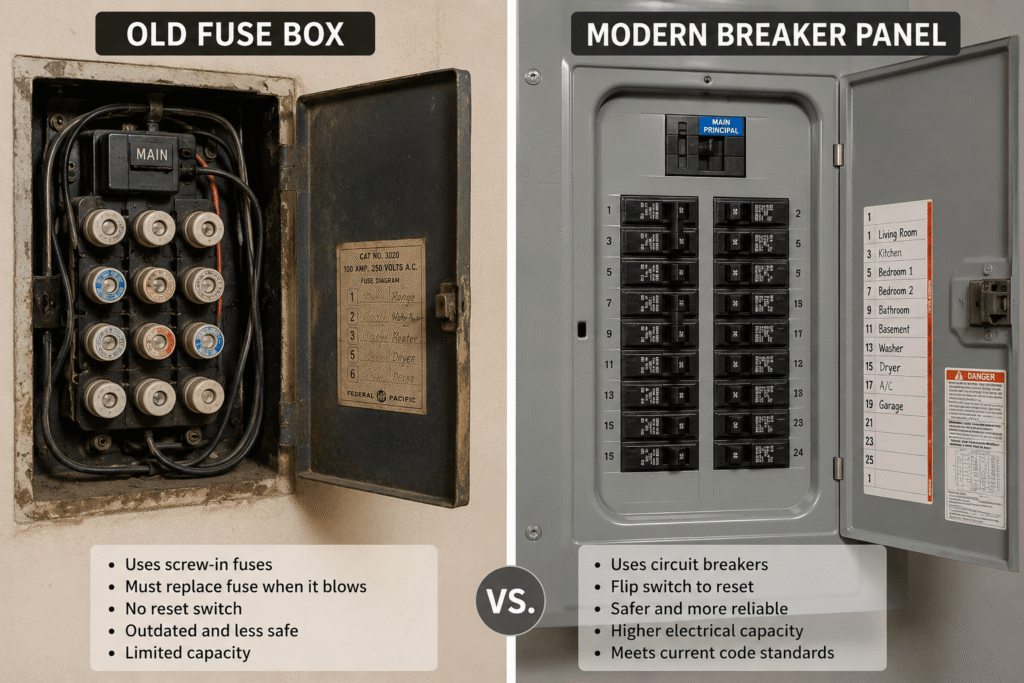
If your distribution board still uses old fuse wire instead of modern circuit breakers, or if it has no clear labels and no room for extra circuits, it’s likely due for an upgrade. Many older boards also weren’t built to handle today’s typical household load.
What to do: Ask an electrician to assess whether your board can safely handle your current and future load, especially if you plan to add solar, an inverter, or major appliances.
7. You’re Buying or Renovating an Older Building
If you’re purchasing a building that’s more than 15 to 20 years old, or planning a major renovation, it’s worth having the wiring inspected before you move in or start work. Wiring that’s aged, poorly maintained, or installed without proper standards is a common hidden issue in older properties, and it’s far easier to fix before finishes go back up.
What to do: Request a full electrical inspection as part of your renovation planning or property purchase process, not as an afterthought.
Rewiring vs. a Partial Upgrade: What’s the Difference?
Not every warning sign means a full rewire. Some issues can be fixed with a targeted upgrade.
A partial upgrade might mean replacing the distribution board, adding new circuits, or fixing specific faulty sections. This works well when most of the wiring is sound, but certain parts are outdated or undersized.
A full rewire replaces most or all of the wiring in a building. This is usually needed when wiring is old, damaged in multiple places, or was never installed to a safe standard in the first place. It costs more upfront, but it solves the problem at the root, instead of patching one issue at a time.
An electrician should assess your specific situation before recommending either option. Anyone who jumps straight to “full rewire” without inspecting first is worth a second opinion.
What Happens During an Electrical Inspection
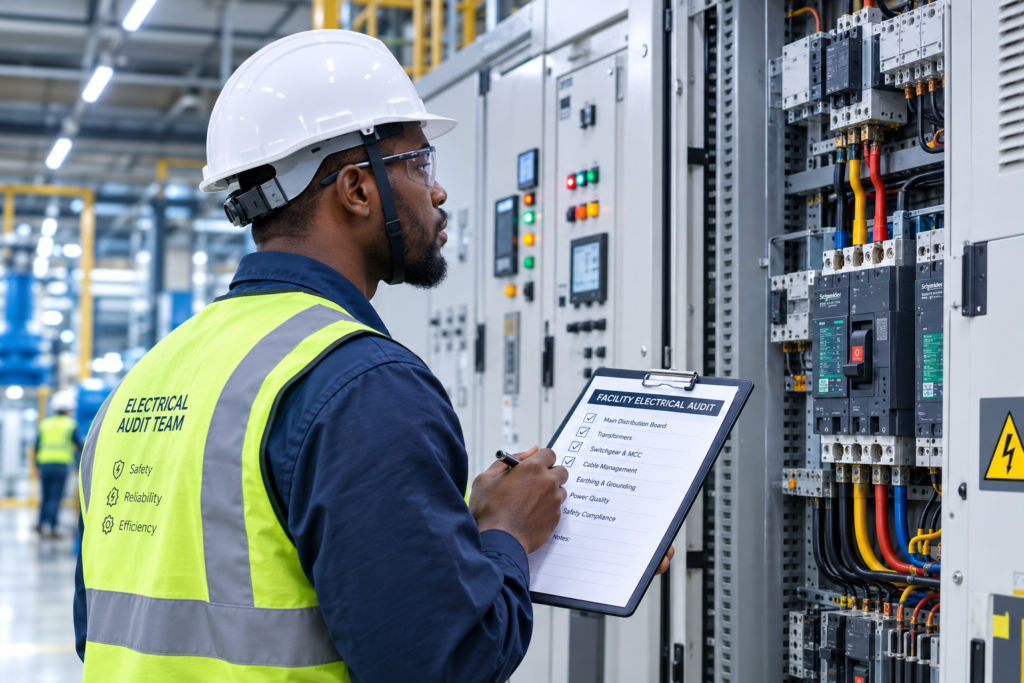
A proper inspection checks more than just the visible sockets and switches. It should cover:
- Wiring condition inside walls, where accessible, and at visible junction points
- Load capacity across each circuit
- Earthing and grounding at the panel and key points
- The distribution board’s age, condition, and circuit capacity
- Signs of past damage, like scorch marks or melted insulation
- Whether the current setup can support future additions, like solar or air conditioning
The result should be a clear report, not just a verbal “it’s fine” or “it needs work.” Ask for specifics.
Frequently Asked Questions
How do I know if my house needs rewiring or just a small fix? An inspection is the only reliable way to know. Signs like frequent tripping or flickering lights can point to either a small fix or a bigger issue, depending on what the electrician finds behind the wall.
Is a burning smell from an outlet always an emergency? Yes. A burning smell means something is already overheating. Turn off power to that circuit if it’s safe, and call an electrician right away.
How often should wiring be inspected in an older building? As a general rule, buildings over 15 to 20 years old benefit from an inspection every few years, or before any major renovation or change in electrical load.
Does rewiring mean breaking all my walls? Not always. A skilled electrician can often route new wiring through existing conduit or ceiling spaces, though some wall work is usually needed for a full rewire.
Can I add solar power without upgrading my wiring first? It depends on your current panel and wiring condition. An assessment beforehand avoids overloading a system that wasn’t built for the extra load.
How much does electrical rewiring cost? Cost depends on building size, how much of the wiring needs replacing, and site conditions. A proper inspection and quote will give you an accurate figure, rather than a rough guess.
Getting Started
Wiring problems rarely fix themselves, and they tend to get more expensive the longer they’re ignored. ATech Electrical Engineering Ltd offers full electrical inspections, rewiring, and upgrades across Lagos and Ibadan, with clear reporting on exactly what your building needs.