“Is our electrical system actually fine, or are we just lucky so far?” is a question a lot of facility managers only ask after something has already gone wrong. It’s also one that’s easy to keep putting off. A factory that’s been running for years and a warehouse that just changed hands both feel “fine” — right up until a breaker trips at the worst possible moment.
This guide skips the vague reassurance. Instead, it breaks down the specific warning signs that mean it’s time for a proper electrical audit, not just a quick look. You’ll see what each sign usually means underneath, and what happens if it’s ignored. Read through this, and you’ll know whether your facility needs an audit now or can reasonably wait.
Why Facilities Wait Too Long to Audit
Most facility managers aren’t ignoring their electrical systems on purpose. A few things quietly push audits down the priority list.
Everything still “works.” Systems can run for years past their safe condition before they actually fail. Working isn’t the same as safe or efficient.
Downtime feels riskier than the fault itself. Shutting a line down to inspect it feels like a bigger cost than the small warning signs building up in the background.
No one owns the decision. In larger organizations, electrical condition often falls between facilities, operations, and finance, and nobody schedules the audit because it’s not clearly anyone’s job.
Past inspections were surface-level. A technician glancing at a panel isn’t the same as a proper audit with load testing and thermal imaging. Some facilities think they’ve been checked when they haven’t.
Sign 1: Breakers Trip More Than They Used To
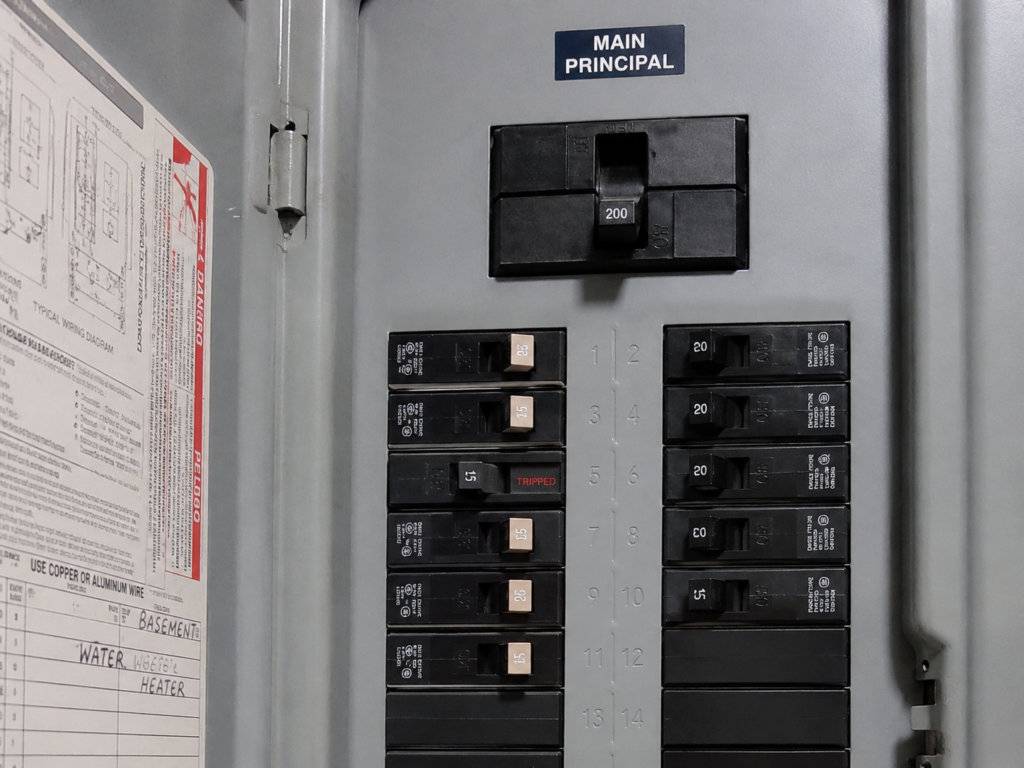
An occasional trip during a genuine overload is normal. A pattern of trips — especially on the same circuit, or spreading to circuits that never used to trip — is not.
What it usually means: The circuit is carrying more load than it was designed for, wiring has degraded, or a connection has loosened over time. Any of these get worse under continued use.
What happens if it’s ignored: Repeated tripping stresses the breaker itself, and the underlying fault keeps generating heat every time it happens. Eventually it stops tripping cleanly and starts failing dangerously instead.
Sign 2: Lights Flicker or Dim When Equipment Starts Up
If lights dip every time a machine, compressor, or lift motor kicks in, the system is telling you something about its capacity.
What it usually means: Voltage drop under load, often from undersized wiring, an overloaded transformer, or a distribution system that’s grown past what it was originally sized for.
What happens if it’s ignored: Equipment running on unstable voltage wears out faster than it should. Motors, in particular, are sensitive to voltage fluctuation and can fail years earlier than their rated lifespan.
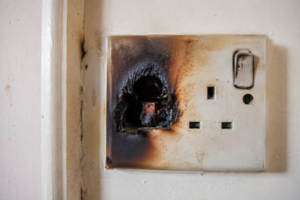
Sign 3: Panels or Outlets Feel Warm, or You Notice a Burning Smell
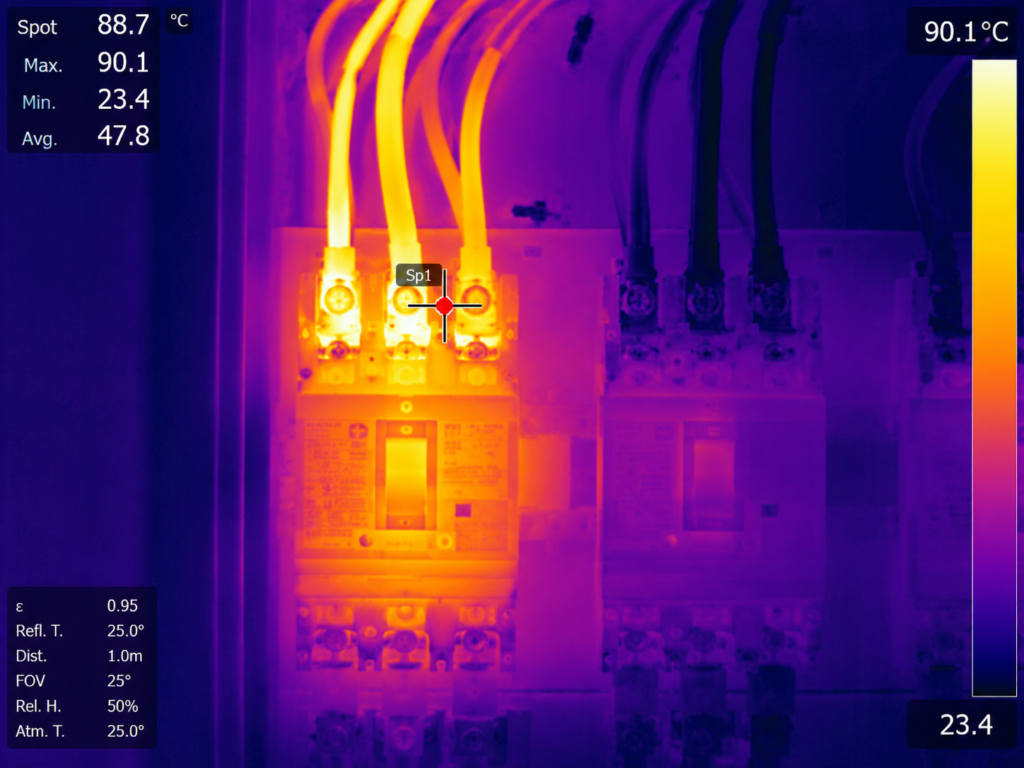
Heat and smell are two of the clearest signs an electrical system gives before something worse happens. Neither should be treated as normal.
What it usually means: Loose connections, overloaded circuits, or degraded insulation are generating resistance heat at a point in the system. This is one of the most common precursors to electrical fires.
What happens if it’s ignored: This is the sign with the least room for delay. Heat buildup at a connection point can progress from warm, to hot, to arcing, in a relatively short window depending on load.
Sign 4: Your Facility Has Grown, But the Electrical System Hasn’t
New equipment, an added building section, or a shift in operating hours all change what your electrical system needs to handle. The wiring installed for the original setup doesn’t automatically scale with the business.
What it usually means: The system may still be running on its original capacity while your actual demand has moved well past it. This is extremely common in facilities that have expanded operations without a corresponding electrical review.
What happens if it’s ignored: The system runs closer and closer to its limit with no margin left for surges, seasonal peaks, or equipment startup loads, which is exactly when failures tend to happen.
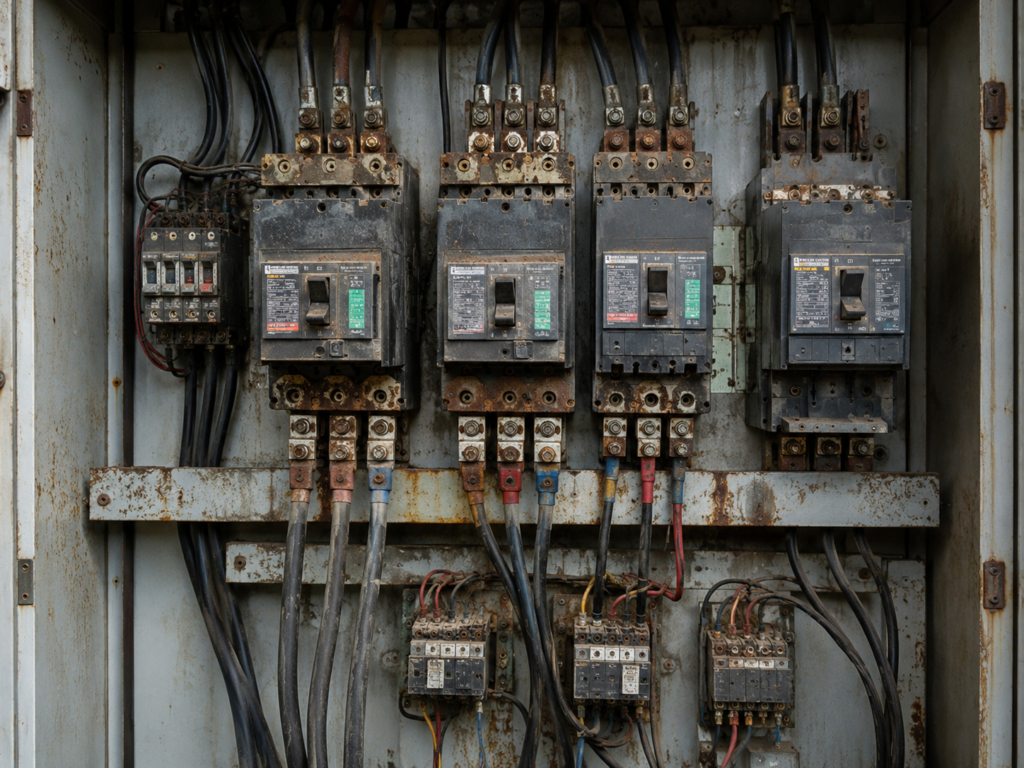
Sign 5: It’s Been Years Since a Proper Inspection
No breakers tripping, no visible heat, nothing obviously wrong. This is often the facility at the highest actual risk, simply because no one has looked closely enough to know.
What it usually means: Wear happens gradually and often invisibly, especially inside panels and behind walls. A facility can look fine on the surface for a long time while conditions inside quietly deteriorate.
What happens if it’s ignored: Problems get found the hard way, during a failure, instead of during a scheduled visit when they’re still cheap and safe to fix.
What a Proper Audit Actually Covers

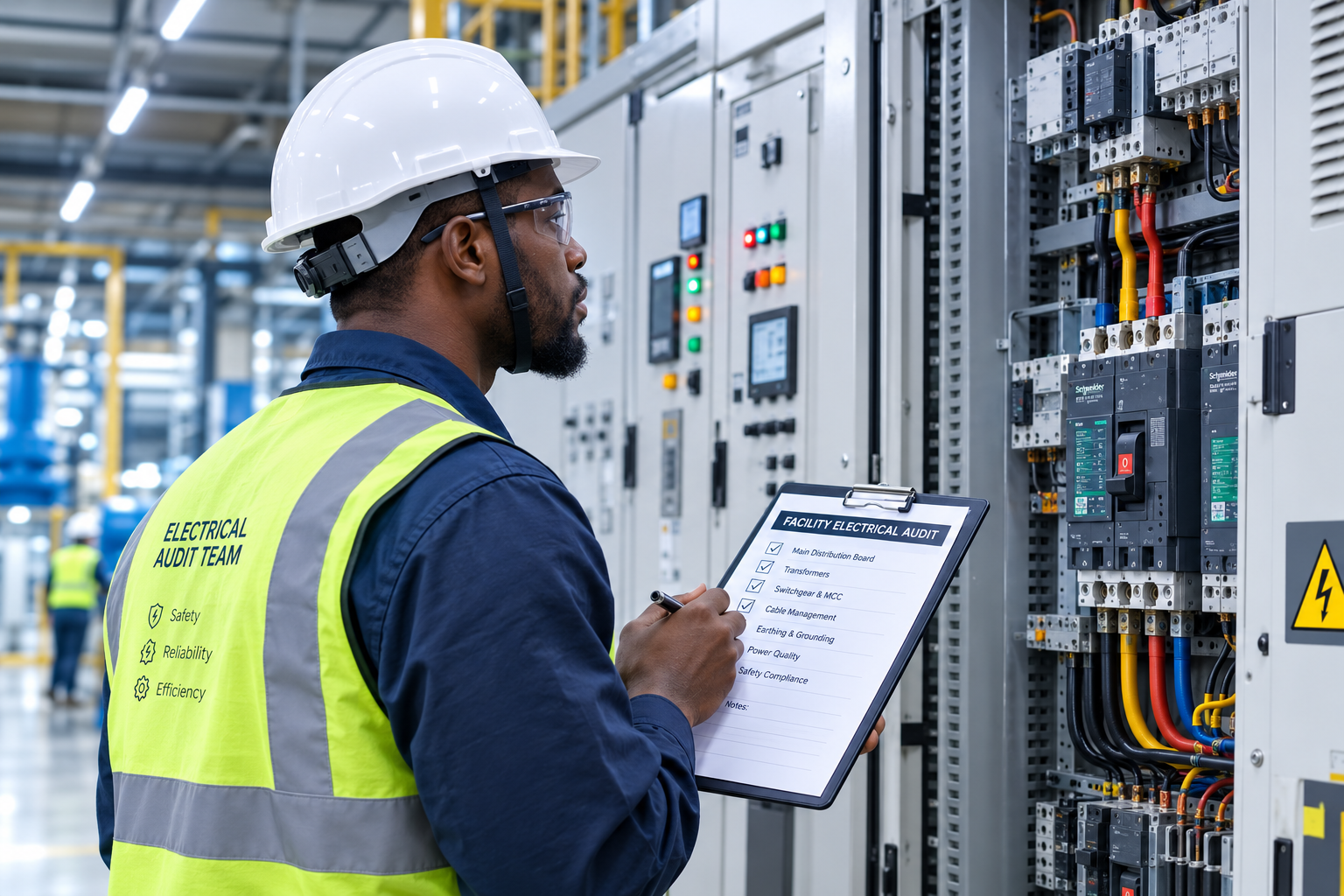
A real industrial electrical audit goes well beyond a walk-through. It should include:
- Panel and switchgear inspection, including thermal imaging for hotspots
- Load testing against actual current demand, not just original design capacity
- Earthing and grounding verification
- Cable and connection condition checks
- Review of backup systems — generator, solar, or UPS — and how they integrate with the main supply
- A written report ranking findings by urgency, not just a general pass or fail
If an “audit” comes back as a single verbal thumbs-up with no documentation, it wasn’t a proper audit. It was a look.
What Happens After the Audit
An audit isn’t the end of the process, it’s the starting point for a plan. A good report should leave you with a clear list of what needs fixing now, what can be scheduled, and what to monitor going forward. From there, most facilities move onto a regular maintenance schedule so the same issues don’t quietly build back up.
If you’re weighing what maintenance costs look like once the audit findings come in, check our companion guide: Industrial Electrical Maintenance Costs in Nigeria
Frequently Asked Questions
How do I know if my facility needs an electrical audit? Frequent breaker trips, flickering lights under load, warm panels or a burning smell, facility growth without an electrical review, or simply not having had a proper inspection in years are all signs it’s time.
What’s the difference between an inspection and a full audit? An inspection is often a quick visual check. A full audit includes load testing, thermal imaging, earthing verification, and a written report ranking issues by urgency.
How long does an industrial electrical audit take? This depends on facility size and complexity. A small commercial site can often be audited in a single visit. Larger, multi-building facilities may take longer and get scheduled around operating hours to avoid downtime.
Can an audit be done without shutting down operations? In most cases, yes. Audits can be planned around business hours or scheduled during lower-activity periods, depending on what needs to be tested.
What happens if the audit finds a serious issue? Serious findings, like overheating panels or failing insulation, are flagged as urgent and should be addressed before anything else on the list. The report should make that priority clear.
Is an audit different from routine maintenance? Yes. An audit is a full assessment of current condition and risk. Maintenance is the ongoing work that follows, keeping the system in good condition between audits.
Getting Started
ATech Electrical Engineering Ltd carries out full electrical audits for commercial and industrial facilities across Lagos and Ibadan. The same engineers who audit your system can also carry out the repairs, upgrades, or maintenance plan that follows, so nothing falls through the gap between diagnosis and fix.