Ibadan is growing fast. New estates keep going up in Akala Express, Ring Road, Bodija, Jericho, and Iyana Church. More people are installing CCTV than ever before.
But "CCTV installation" can mean very different things. Some setups stop break-ins. They give you real proof if something happens. Others just sit there, unused. The footage is too blurry to see faces. Or the system stops recording a month later, because no one planned for a power cut.
This guide covers what really matters. We'll look at camera types and real costs, plus power and storage, since these matter most in Ibadan. You'll also get a list of questions to ask any installer first. That way, you choose based on your own property. Not on whoever calls you back first.

Why CCTV Demand Is Rising in Ibadan
A few local trends are driving this shift. CCTV used to be a luxury. Now it’s becoming standard.
- Estate and compound security. Many compounds now require CCTV at the gate and along the wall. Resident groups are tightening access. Cameras help enforce that.
- Business risk management. Shops, pharmacies, event centers, and warehouses use CCTV for more than theft. It also helps track stock and staff.
- Insurance rules. Some insurers and landlords now require working CCTV. It’s often a condition for cover or lease renewal.
- Remote checks for landlords. Owners who live in Lagos or abroad want to check on tenants or staff from their phones.
- Lower hardware costs. Camera prices have dropped a lot in recent years. Multi-camera setups are now realistic for small homes and shops, not just big firms.

Types of CCTV Systems Available in Ibadan
Before you compare installers, learn your options first. A good provider explains these clearly. They shouldn’t just install whatever they have in stock.
1. Analog Systems (HD-CVI/TVI/AHD)
This is the older, but still common, option. Cameras plug into a DVR (a recording box) using coaxial cable.
- Pros: Costs less. Simple wiring for older buildings. Easy to find repair techs.
- Cons: Lower picture quality. Few smart features. Bulkier cables.
- Best for: Tight budgets, single-storey homes, and older buildings where new wiring is costly.
2. IP (Network) Camera Systems
These cameras send digital video over network cable or Wi-Fi. It goes to a recorder called an NVR, or straight to the cloud.
- Pros: Much sharper images. Better night view. Smart alerts for people or cars. Easier to check on your phone.
- Cons: Costs more upfront. Needs a stable network. Struggles more during power cuts without backup.
- Best for: Businesses, larger compounds, and anyone who needs clear enough footage to identify a person.
3. Wireless or Wi-Fi Cameras
These run on battery or a plug. They connect to your home Wi-Fi. Footage usually saves to the cloud or a memory card.
- Pros: Quick to set up. No heavy cabling. Good for one spot, like a gate or shop door.
- Cons: Depends fully on your Wi-Fi. Cloud storage often needs a paid plan too. Given patchy internet and power in parts of Ibadan, this is a real weak spot.
- Best for: Small flats, single-camera needs, or short-term coverage.
4. Hybrid Systems
This mixes IP and analog cameras on one recorder. It’s common when a property adds more cameras over time.
Our honest take: for most Ibadan homes and small shops, a wired IP system with local storage and a UPS backup works best. It gives you sharp footage, steady uptime during outages, and good long-term value. Wireless cameras make sense only when cabling truly isn’t possible. Go in knowing the trade-off.
What Sets the Cost of CCTV Installation in Ibadan
There’s no single “CCTV price” that fits every home. Any installer who quotes a firm number without seeing your site first is just guessing. Cost depends on:
- How many cameras, and where. Gate, walls, indoor rooms, parking.
- Camera type and quality. A basic camera costs far less than a sharp one with AI features.
- Cable distance and building work. Longer runs between camera and recorder cost more to wire.
- Storage size. This sets how many days of footage you keep before it gets erased.
- Power backup. A UPS or inverter link keeps the system running during outages. This matters a lot here.
- Remote viewing setup. This covers the phone app and cloud link.
- Future upkeep. Ask if the price covers service visits later, or if it’s install-only.
Because of all this, the smart move is to get a site visit before you compare prices. Comparing two numbers without knowing what’s included, like cable quality or warranty, isn’t a fair test.
What to Check Before Hiring a CCTV Installer in Ibadan
Most guides skip this part. It’s the part that actually saves you from a bad install.
Ask about picture quality in real terms
“HD” is just a marketing word. Ask for the real number, in megapixels. Better yet, ask to see a night clip from a past job. Many systems look fine in daylight. At night, the footage turns useless.

Confirm power backup is part of the plan
A camera that goes blind every time the light goes off isn’t real security. Ask how the installer plans to handle outages. Will it be a UPS sized for your gear? Or a link to an inverter? Ask how many hours of backup that gives you.
Ask who handles the cables and conduit
Bad cable routing is a top reason CCTV fails within a year here. Watch for loose cables on walls, no conduit pipe, or no rain sealing outdoors. A good installer runs cables through proper pipe. They also seal outdoor joints against rain.
Get clear on storage limits
Ask how many days of footage the system holds before it erases old clips. Also check that the hard drive is built for nonstop recording. A normal drive wears out much faster under constant use.
Check electrical skill, not just camera know-how
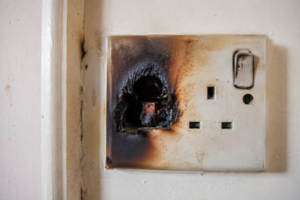
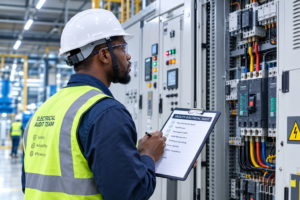
CCTV work touches your home’s wiring. An installer who knows proper electrical work, like earthing and safe wiring, cuts your fire risk. It also means fewer faults later. This is where a full electrical firm beats a simple camera seller.
Ask what happens after the install
Does the price include a warranty? Is there a service plan, or is it install-and-leave? Systems with no upkeep tend to break down within a year. Think dirty lenses, wrong angles, or a dead hard drive.
Ask for a written plan
Get a one-page sheet. It should list camera count, spots, quality, storage length, backup plan, and warranty terms. This protects both sides. It also gives you something solid to compare across quotes.
Common Mistakes to Avoid
- Picking the cheapest price alone. A cheap quote often skips key things: sharp cameras, power backup, proper conduit. Those gaps show up later as blank footage or repeat call-outs.
- Leaving gaps in coverage. Many setups cover the front gate but miss side doors, the boys’ quarters, or rear walls. Those are often where break-ins happen.
- Ignoring the dark. A camera pointed at a dark corner needs the right night range for that distance. Otherwise, the footage stays useless, no matter how sharp the camera is.
- Skipping power backup. This is the top reason CCTV “stops working” in areas with shaky power.
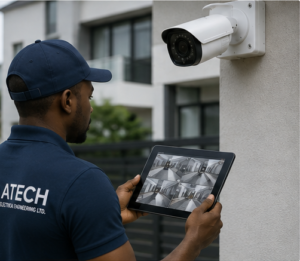
- Not testing the phone app first. Check that it works well on your phone before the installer leaves.
Residential vs. Commercial CCTV: Different Needs
Homes in Ibadan usually need gate and wall coverage, clear night view, and easy phone access. A setup with 4 to 8 cameras, local storage, and basic UPS backup covers most family compounds well.
Businesses, like shops, offices, and event centers, usually need more cameras. They also need coverage of cash points or stock rooms, longer storage for disputes, and sometimes a link to door locks or alarms. Owners should also think about signage. A clear notice of cameras acts as both a warning and standard practice.
Frequently Asked Questions
Cost varies by camera count, resolution, cabling distance, power backup, and storage needs — a single shop entrance and a full estate perimeter are priced very differently. A free site assessment gives an itemized figure rather than a generic estimate.
Generally yes, upfront — IP cameras and NVRs cost more than analog cameras and DVRs. However, IP systems typically offer significantly better resolution and smart features, which can reduce the “hidden cost” of unusable footage after an incident.
It should, but not all quotes do by default. Confirm explicitly whether a UPS or inverter tie-in for the CCTV system is included, since this materially affects both price and whether the system keeps recording during outages.
Maintenance costs depend on whether it’s a per-visit service call or a scheduled maintenance plan. Ask any installer whether maintenance is included in the initial quote or billed separately.
Yes — many Lagos homeowners and business owners start with entrance and gate coverage, then add cameras over time. A good installer will design the initial system so it can expand without needing to redo cabling or the NVR setup later.
Upfront, yes, for single-point coverage. But multi-camera systems with cabling, power backup, and network configuration generally need professional installation to be reliable — and incorrect DIY wiring introduces electrical safety risk.

Getting Started
CCTV only works as well as the planning behind it. Camera spots, cable routes, power backup, and storage all need to fit your own property. ATech Electrical Engineering Ltd installs and maintains CCTV and network cabling across Ibadan and Lagos. We also handle the wiring behind it, like earthing and power backup, so your system keeps running long after install day.
For pricing in our other main city, see our companion guide: CCTV Installation Cost in Lagos.